Hey there! As a supplier of Wireless Microphone Kits, I'm super stoked to share with you all the ins and outs of their transmission technology. It's a fascinating topic, and understanding it can really help you pick the right kit for your needs. So, let's dive right in!
The Basics of Wireless Microphone Transmission
First off, what exactly is transmission technology when it comes to wireless microphone kits? Well, it's all about how the sound from the microphone gets from Point A (the mic) to Point B (the receiver). There are a few different methods used in the industry, and each has its own pros and cons.
One of the most common types of transmission technology is analog. In an analog system, the sound waves picked up by the microphone are converted into an electrical signal that varies in a continuous way, just like the original sound waves. This signal is then transmitted wirelessly to the receiver, where it's converted back into sound. The advantage of analog systems is that they can offer a very natural and warm sound quality, similar to what you'd get from a wired microphone. However, they can be more susceptible to interference from other wireless devices, like Wi-Fi routers or cell phones.
On the other hand, we have digital transmission technology. Digital systems convert the sound waves into a series of numbers, which are then transmitted as a stream of data. At the receiver, these numbers are decoded and turned back into sound. Digital transmission offers a few key benefits. For starters, it's much more resistant to interference than analog. You can expect a cleaner, more reliable signal, even in environments with a lot of wireless activity. It also allows for more advanced features, like built-in encryption to protect your audio from being intercepted.
Radio Frequency (RF) Technology
Most wireless microphone kits use radio frequency (RF) to transmit the audio signal. RF is a type of electromagnetic radiation that travels through the air, similar to how a radio station broadcasts its signal. The frequency at which a wireless microphone operates is really important, as it can affect the range, clarity, and interference levels of the transmission.
There are different frequency bands available for wireless microphones, and the regulations regarding their use vary from country to country. In the United States, for example, the Federal Communications Commission (FCC) regulates the use of RF frequencies for wireless audio devices. Some common frequency bands used by wireless microphones include the UHF (Ultra High Frequency) and VHF (Very High Frequency) bands.
UHF frequencies are generally preferred for wireless microphone applications because they offer a larger available bandwidth, which means more channels can be used simultaneously without interference. They also tend to have better range and penetration through obstacles like walls and furniture compared to VHF frequencies. However, UHF systems can be more expensive and use more power.
VHF frequencies, on the other hand, are often used in simpler and more budget-friendly wireless microphone kits. They have a smaller bandwidth, which limits the number of available channels, but they can still provide decent performance in smaller venues or environments with less wireless traffic.
How Does Transmission Range Impact Performance?
The transmission range of a wireless microphone kit is another crucial factor to consider. It refers to the maximum distance between the microphone and the receiver at which a reliable signal can be maintained. The range can vary depending on several factors, including the transmission technology used, the frequency band, the power output of the transmitter, and the environment.
In general, digital wireless microphone kits tend to have a longer range than analog ones. This is because digital signals are more resilient to interference and can be transmitted at higher power levels without compromising the quality. UHF systems also typically offer a greater range than VHF systems, thanks to their better signal characteristics.
However, the environment can have a big impact on the actual range you'll get. If there are a lot of obstacles, like walls, metal objects, or other electronic devices, the signal can be weakened or blocked. In large venues with high ceilings or open spaces, you might be able to achieve the maximum advertised range, but in smaller, more cluttered spaces, the range could be significantly reduced.
Our Wireless Microphone Kit Offerings
At our company, we offer a wide range of wireless microphone kits that use the latest transmission technologies to provide high-quality audio performance. Whether you need a kit for a small presentation, a large concert, or anything in between, we've got you covered.
One of our popular products is the TS-A070-K Desktop Tripod. This kit is perfect for desktop use and comes with a convenient tripod for easy setup. It uses a digital transmission system to ensure a clear and reliable signal, even in noisy environments.

Another great option is the TS-ZR680 Motorized Tilt Lift Mount. This kit is designed for more professional applications and features a motorized mount that allows you to adjust the angle and height of the microphone. It operates on the UHF frequency band, providing a long range and excellent interference resistance.
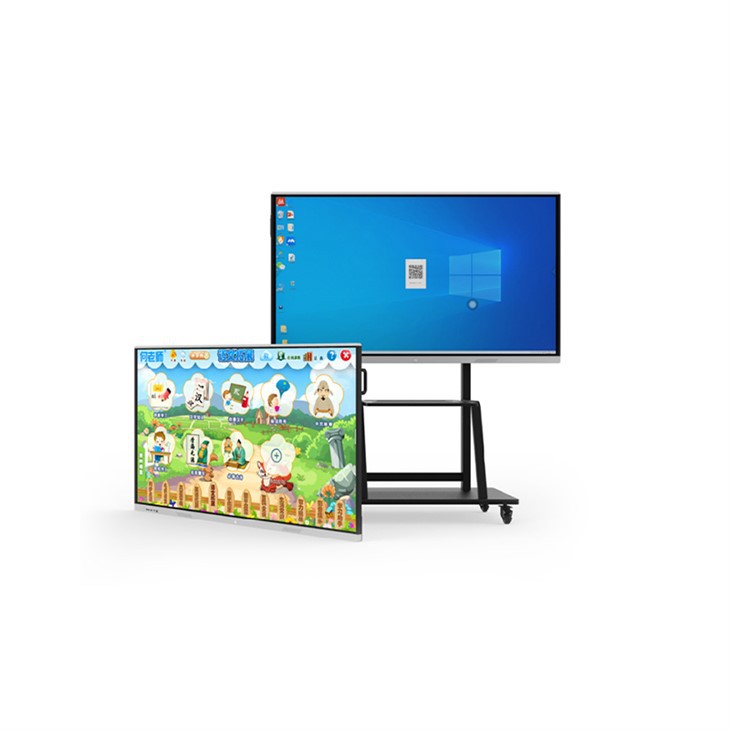
For larger venues and events, we recommend our 65''Wall Mount Interactive Whiteboard with Stands. This comprehensive system includes a large interactive whiteboard and a high-quality wireless microphone kit. The microphone uses advanced digital transmission technology to deliver crystal-clear audio throughout the venue.
Why Choose Our Wireless Microphone Kits?
So, why should you choose our wireless microphone kits over the competition? Well, there are a few reasons. First of all, we use the latest and most reliable transmission technologies to ensure that you get the best possible audio quality. Our kits are also designed to be easy to use and set up, even if you're not a technical expert.
We also offer excellent customer support. If you have any questions or run into any issues with your wireless microphone kit, our team of experts is here to help. We pride ourselves on providing fast and effective solutions to ensure that you can focus on your event or presentation.
In addition, our prices are competitive. We believe that high-quality wireless microphone kits shouldn't break the bank, and we work hard to offer our products at a reasonable price without compromising on quality.
Let's Connect and Discuss Your Needs
If you're in the market for a wireless microphone kit, I'd love to chat with you about your specific needs. Whether you're a small business owner looking for a simple kit for presentations, a professional audio engineer in need of a high-end system for concerts, or anything in between, we can help you find the perfect solution.
Just reach out to us, and we'll be happy to provide you with more information, answer any questions you might have, and even offer a free demonstration if you'd like. We're here to make the process as easy and stress-free as possible for you. So, don't hesitate to get in touch and let's start creating the perfect audio setup for your next event!
References
- FCC. "Regulations for Wireless Microphones and Related Devices."
- Manufacturer specifications for wireless microphone kits.
- Industry research on wireless audio transmission technologies.