Hey there! As a supplier of Wireless Microphone Kits, I often get asked about the frequency stability of these nifty devices. So, let's dive right in and break it down.
First off, what exactly is frequency stability? In simple terms, it's how well a wireless microphone kit can maintain a consistent frequency during operation. You see, wireless microphones work by transmitting audio signals over a specific frequency range. If the frequency isn't stable, it can lead to all sorts of problems, like audio dropouts, interference, and poor sound quality.
Think of it like a radio station. If the station keeps changing its frequency randomly, you're going to have a hard time tuning in and enjoying your favorite tunes. The same goes for wireless microphones. When the frequency is unstable, the receiver might not be able to pick up the signal properly, and you'll end up with a choppy or distorted audio experience.
Now, why is frequency stability so important? Well, whether you're using a wireless microphone for a live performance, a conference, or a podcast, you need to ensure that the audio is clear and reliable. Imagine being in the middle of a big presentation, and suddenly, your microphone starts cutting in and out. It can be incredibly embarrassing and disrupt the flow of your event. That's why frequency stability is a crucial factor to consider when choosing a wireless microphone kit.
There are several factors that can affect the frequency stability of a wireless microphone kit. One of the main factors is the quality of the components used in the microphone and the receiver. High - quality components are more likely to maintain a stable frequency compared to cheaper, lower - grade parts. At our company, we use only the best components in our Wireless Microphone Kits to ensure optimal frequency stability.
Another factor is the environment in which the microphone is being used. Interference from other electronic devices, such as Wi - Fi routers, Bluetooth devices, and even other wireless microphones, can cause frequency instability. To combat this, our wireless microphone kits are designed with advanced frequency - hopping technology. This technology allows the microphone to automatically switch between different frequencies to avoid interference. It's like having a smart little device that can find the clearest path for your audio signal.

Temperature can also play a role in frequency stability. Extreme temperatures, either too hot or too cold, can cause the components in the microphone and receiver to expand or contract, which can affect the frequency. Our wireless microphone kits are built to withstand a wide range of temperatures, so you can use them in various environments without worrying about frequency fluctuations.
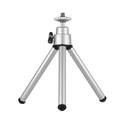
Let's talk about some of the products we offer that showcase excellent frequency stability. The TS - A070 - K Desktop Tripod is a great option for those who need a stable base for their wireless microphone. It's not only sturdy but also helps to keep the microphone in the right position for optimal signal transmission.
The ABS Desktop Phone Stand is another useful accessory. It can be used to hold your smartphone or other recording device, ensuring that the receiver is in a good position to pick up the microphone signal without any interference.
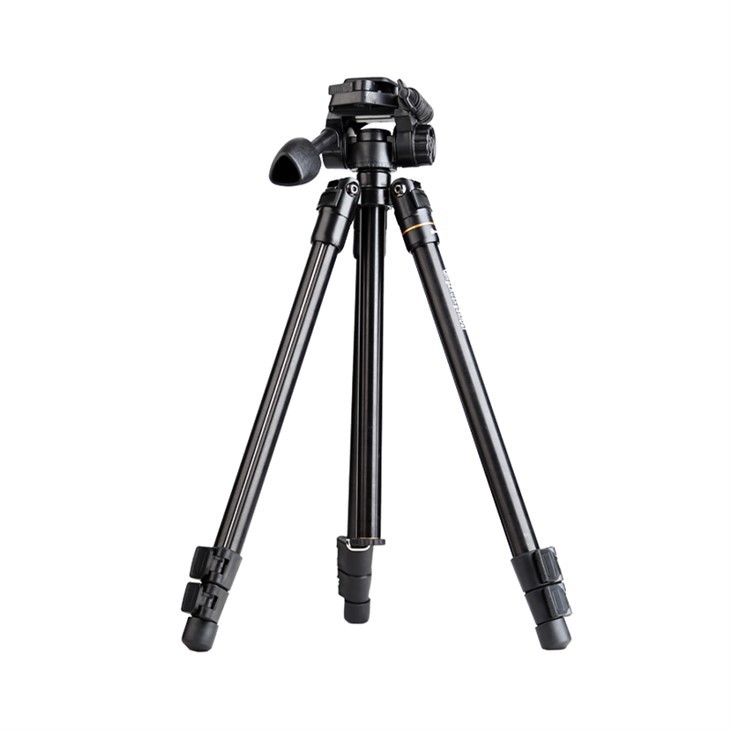
And if you're looking for a more professional setup, the TS - Q109 - Q Professional Video Accessories Tripod is a top - notch choice. It provides a stable platform for your camera and microphone, allowing you to capture high - quality audio and video with ease.
So, how can you test the frequency stability of a wireless microphone kit? One way is to use a spectrum analyzer. This device can show you the frequency spectrum of the microphone signal and help you identify any frequency fluctuations or interference. However, not everyone has access to a spectrum analyzer. A simpler way is to do a real - world test. Set up the microphone in the environment where you'll be using it and record some audio. Listen carefully for any dropouts, distortion, or other audio issues. If you notice any problems, it could be a sign of poor frequency stability.
When it comes to choosing a wireless microphone kit, don't just focus on the price. While cost is an important factor, it's not the only thing to consider. Make sure to look for a kit that offers good frequency stability, high - quality components, and advanced features like frequency - hopping technology.
At our company, we're committed to providing our customers with the best wireless microphone kits on the market. We understand the importance of frequency stability and work hard to ensure that our products meet the highest standards. Whether you're a professional performer, a business owner, or a hobbyist, we have a wireless microphone kit that's right for you.
If you're interested in learning more about our Wireless Microphone Kits or have any questions about frequency stability, we'd love to hear from you. Feel free to reach out to us to start a conversation about your specific needs. We're here to help you find the perfect solution for your audio requirements.
References
- Audio Engineering Society. "Handbook for Sound Engineers."
- Wireless Microphone Manufacturers Association. "Best Practices for Wireless Microphone Use."