


What is the sensitivity of a Wireless Microphone Kit?
As a supplier of Wireless Microphone Kits, I often encounter questions from customers regarding the sensitivity of these devices. Sensitivity is a crucial parameter that can significantly impact the performance of a wireless microphone kit, and understanding it is essential for making informed purchasing decisions.
Defining Sensitivity in Wireless Microphone Kits
Sensitivity in a wireless microphone kit refers to the microphone's ability to convert sound pressure into an electrical signal. It is typically measured in millivolts per pascal (mV/Pa) or decibels relative to 1 volt per pascal (dBV/Pa). A higher sensitivity means that the microphone can produce a stronger electrical signal from a given sound pressure level.
For example, a microphone with a sensitivity of -38 dBV/Pa will produce a stronger signal than one with a sensitivity of -42 dBV/Pa when exposed to the same sound pressure. This can be particularly important in situations where the sound source is relatively quiet or when you need to capture subtle nuances in the audio.

Factors Affecting Sensitivity
Several factors can influence the sensitivity of a wireless microphone kit:
- Microphone Type: Different types of microphones, such as condenser, dynamic, and ribbon microphones, have different sensitivities. Condenser microphones are generally more sensitive than dynamic microphones, making them a popular choice for applications where high sensitivity is required, such as studio recording and live vocals.
- Diaphragm Size: The size of the microphone's diaphragm can also affect its sensitivity. Larger diaphragms tend to be more sensitive than smaller ones because they can capture more sound energy.
- Frequency Response: The frequency response of a microphone can impact its sensitivity at different frequencies. Some microphones may be more sensitive in the low or high frequencies, while others may have a more flat response across the entire audio spectrum.
- Environmental Conditions: The environment in which the microphone is used can also affect its sensitivity. Factors such as temperature, humidity, and background noise can all have an impact on the microphone's performance.
Importance of Sensitivity in Different Applications
The importance of sensitivity can vary depending on the specific application:
- Live Sound: In live sound applications, such as concerts and public speaking events, a high-sensitivity microphone can help ensure that the performer's voice or instrument is clearly heard over the background noise. It can also help to reduce the need for excessive gain, which can introduce unwanted noise and distortion.
- Studio Recording: In studio recording, sensitivity is crucial for capturing the full range of sound from the source. A high-sensitivity microphone can help to capture subtle details and nuances in the audio, resulting in a more natural and realistic recording.
- Video Production: In video production, sensitivity is important for capturing clear and crisp audio. A high-sensitivity microphone can help to ensure that the dialogue and other audio elements in the video are easy to understand and free from background noise.
Choosing the Right Sensitivity for Your Needs
When choosing a wireless microphone kit, it's important to consider your specific needs and requirements. Here are some tips to help you choose the right sensitivity:
- Determine Your Application: Consider the type of application you will be using the microphone for. If you need to capture quiet sounds or subtle nuances, a high-sensitivity microphone may be the best choice. If you will be using the microphone in a noisy environment, a lower-sensitivity microphone may be more appropriate.
- Consider the Sound Source: The type of sound source you will be recording can also influence your choice of sensitivity. For example, if you will be recording a loud instrument, such as a drum kit, a lower-sensitivity microphone may be sufficient. If you will be recording a soft-spoken voice, a high-sensitivity microphone may be necessary.
- Test the Microphone: Before making a purchase, it's a good idea to test the microphone in your specific environment and with your specific sound source. This will give you a better idea of how the microphone performs and whether it meets your needs.
Related Accessories
In addition to choosing the right sensitivity, it's also important to consider the accessories that you will need for your wireless microphone kit. Here are some related accessories that you may want to consider:
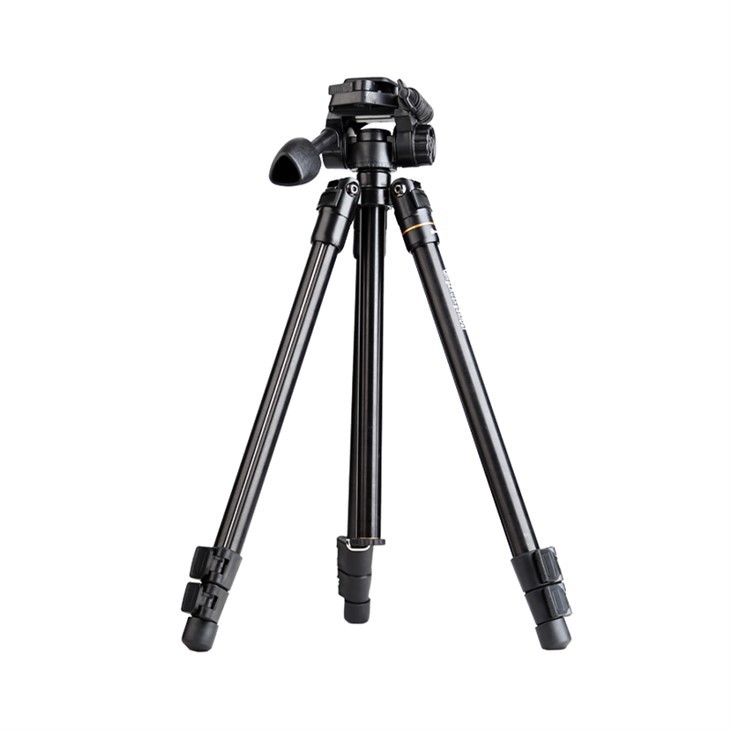
- TS-Q109-Q Professional Video Accessories Tripod: This tripod is designed to provide stable support for your microphone, ensuring that it stays in place during recording or performance.
- Aluminum Tripod Stand: An aluminum tripod stand is a lightweight and durable option for supporting your microphone. It is easy to set up and transport, making it a popular choice for mobile applications.
- TS-SZ8858-Z meeting display stand: This meeting display stand is designed to hold your microphone and other audio equipment in a convenient and accessible location. It is ideal for use in conference rooms, classrooms, and other meeting spaces.
Contact Us for Purchasing
If you have any questions about the sensitivity of our wireless microphone kits or if you would like to discuss your specific needs and requirements, please do not hesitate to contact us. Our team of experts is available to provide you with personalized advice and support to help you choose the right wireless microphone kit for your needs. We look forward to working with you and helping you achieve the best possible audio performance.
References
- Microphone Basics: A Guide to Understanding Microphone Sensitivity. (n.d.). Retrieved from [Website Name]
- The Importance of Sensitivity in Wireless Microphones. (n.d.). Retrieved from [Website Name]
- Choosing the Right Microphone for Your Application. (n.d.). Retrieved from [Website Name]


